
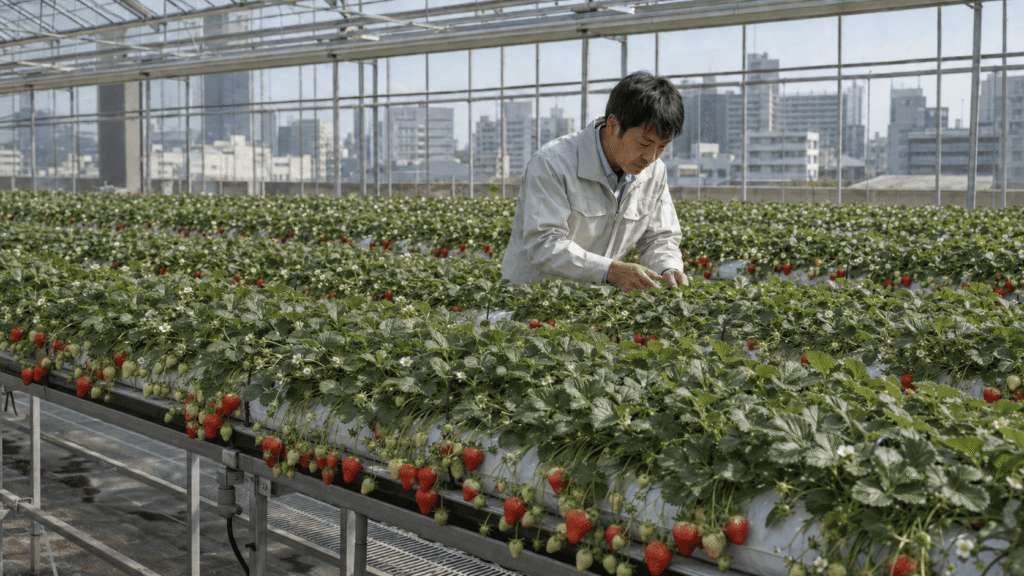
Japan, a global leader in technology and innovation, is applying its expertise to agriculture, transforming how food is produced and distributed. With limited arable land and a growing urban population, the country is turning to modern agricultural practices such as hydroponics, vertical farming, and urban farming to address food security and sustainability challenges. Among the essential tools for this agricultural evolution is cocopeat, a versatile and eco-friendly growing medium that has found its way into Japanese farming systems.
What is Cocopeat?
Cocopeat, also known as coir pith or coconut peat, is a natural byproduct derived from the processing of coconut husks. This lightweight, porous material serves as an excellent alternative to traditional soil, providing a range of benefits that make it ideal for modern farming techniques. Its ability to retain water, improve soil aeration, and promote root health makes it a sought-after medium in agriculture worldwide.
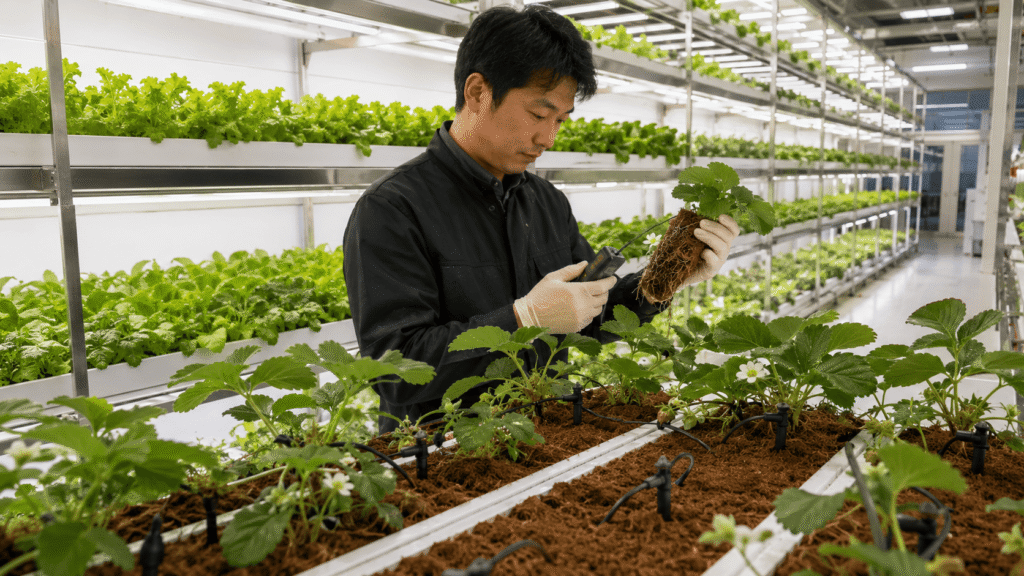
Cocopeat in Japan’s Modern Agriculture
Japan’s agricultural industry is undergoing significant changes, with a growing focus on efficiency, sustainability, and maximizing limited land resources. This shift has positioned cocopeat as a key component in the following areas:
1. Hydroponics and Vertical Farming
As urban centers like Tokyo and Osaka continue to grow, hydroponics and vertical farming have become indispensable methods for producing fresh food in limited spaces. Cocopeat is highly compatible with these systems due to its sterile nature, excellent water-holding capacity, and lightweight properties. It allows plants to thrive in stacked layers or nutrient-rich solutions, maximizing yield per square meter.
2. Urban Farming
Urban farming is gaining traction in Japan, with individuals and communities growing vegetables on rooftops, balconies, and small city plots. Cocopeat is an ideal solution for urban farming because it is easy to transport, clean, and reusable. Its lightweight nature also makes it practical for rooftop gardens, reducing the load on structures.
3. Sustainable Nursery Plant Production
In nurseries, cocopeat is widely used to germinate seeds and nurture young plants. Its neutral pH and ability to retain nutrients make it perfect for growing healthy seedlings, which are later transplanted into fields or hydroponic systems.
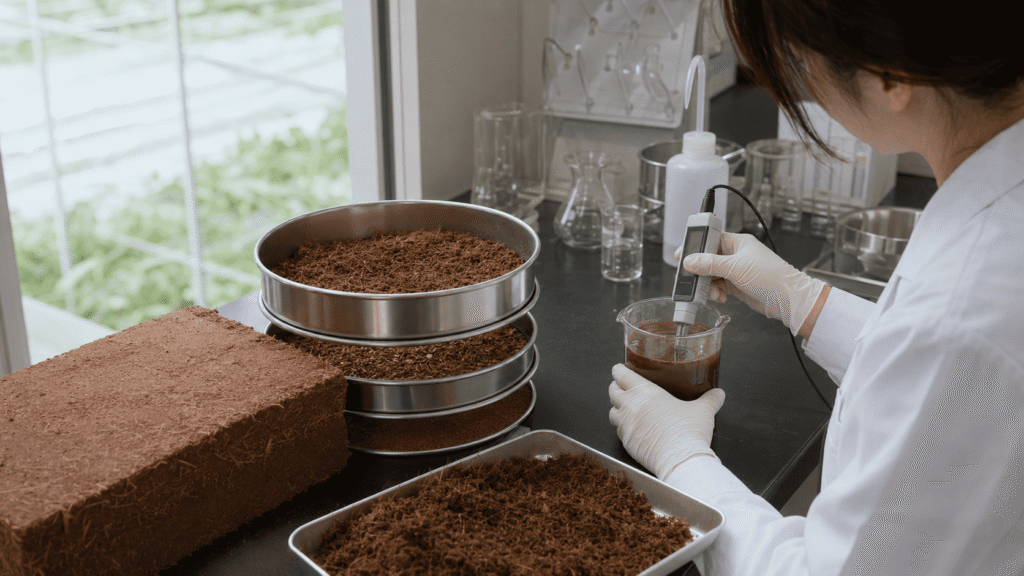
Why Cocopeat is a Perfect Fit for Japan
Several factors contribute to the rising demand for cocopeat in Japan:
- Water Efficiency: Cocopeat reduces water usage by up to 70%, a critical advantage in regions where water conservation is prioritized.
- Sustainability: As a natural byproduct of the coconut industry, cocopeat aligns with Japan’s commitment to environmental sustainability.
- Adaptability: Whether used for hydroponics, container gardening, or traditional farming, cocopeat enhances plant growth across various crops.
Japan’s Dependence on Imported Cocopeat
Unlike tropical countries, Japan does not produce coconuts, making it entirely reliant on imported cocopeat. Major suppliers such as Indonesia, Sri Lanka, and India play a crucial role in meeting Japan’s growing demand for high-quality cocopeat. Indonesia, in particular, is renowned for its ability to supply premium-grade cocopeat that meets the stringent requirements of Japanese agriculture.
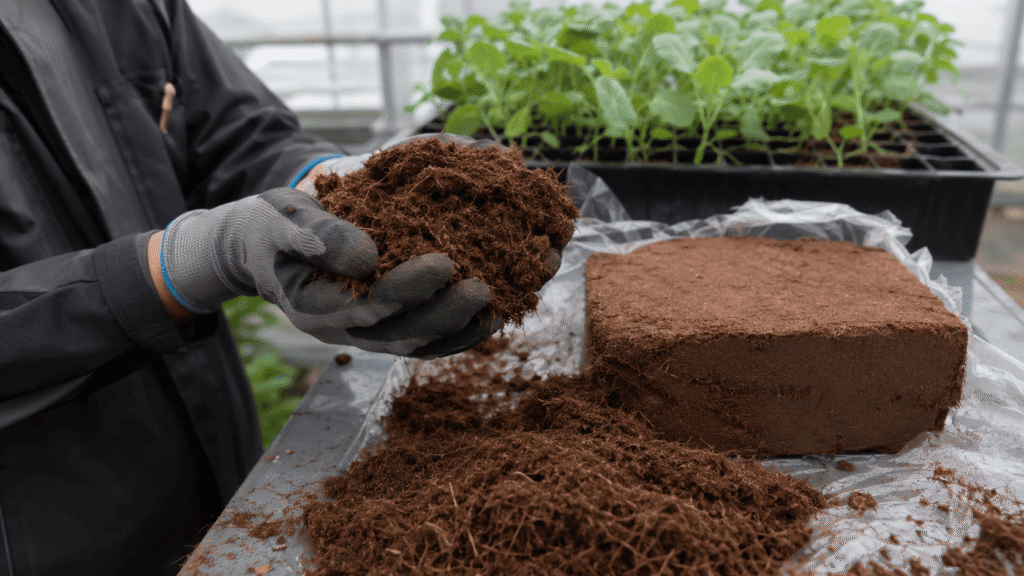
Key Features of Cocopeat Imports
Japanese importers seek cocopeat that meets specific standards, such as:
- Low EC (electrical conductivity) for sensitive crops.
- Consistent particle size for even root development.
- Proper compression for easy transport and handling.
By sourcing cocopeat from reliable exporters, Japanese farmers and businesses ensure that their agricultural practices remain efficient and sustainable.
Cocopeat’s Role in Japan’s Sustainable Future
As Japan continues to innovate in agriculture, cocopeat will remain an essential tool for achieving sustainability and food security. Its versatility, combined with the increasing adoption of smart farming technologies, positions cocopeat as a cornerstone of the country’s agricultural evolution.
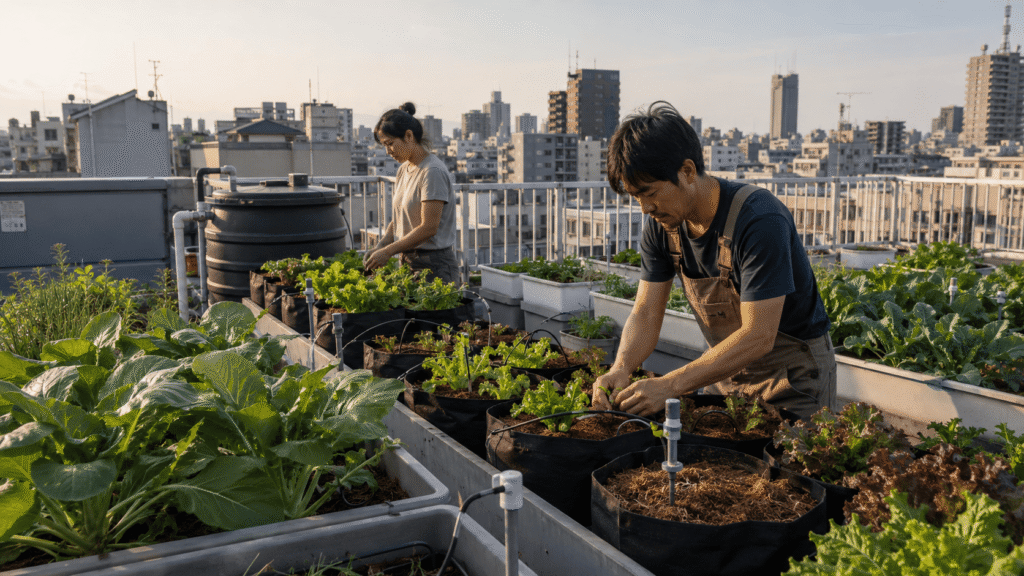
The demand for cocopeat in Japan reflects the country’s dedication to modern, sustainable agriculture. By leveraging this eco-friendly growing medium, Japan is paving the way for innovative farming practices that address land scarcity, water conservation, and food production challenges. Importers and suppliers who recognize this growing demand have a unique opportunity to support Japan’s agricultural transformation while contributing to a more sustainable future.
PT. AGRORISE CAKRAWALA INDONESIA – COCOPEAT ASIA – COCOPEAT INDONESIA – COCOPEAT JAPAN
