
Cocopeat, a natural byproduct of coconut husk, has emerged as a popular choice for eco-friendly packaging and soil amendment. But when it comes to shipping cocopeat, the key is to maximize efficiency and minimize costs. One of the best ways to do this is by using 5kg cocopeat blocks.
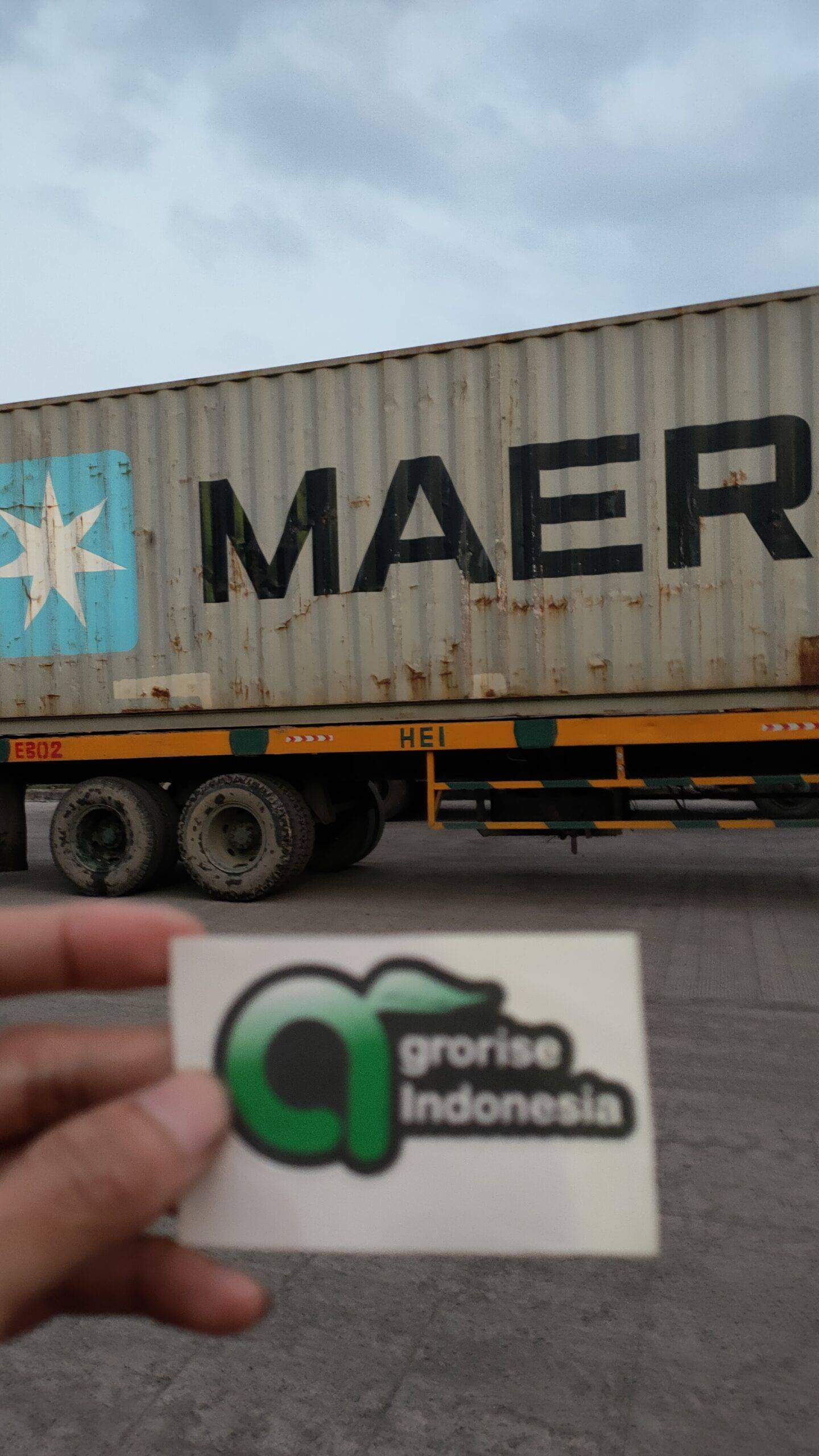

Cocopeat is an excellent choice for eco-friendly packaging and soil amendment, but shipping it internationally can be a challenge. Fortunately, using 5kg cocopeat blocks can help streamline the process and offer several key benefits. For starters, these blocks are a standardized size, making them easy to stack and pack into shipping containers. They’re also lightweight, which means they won’t add unnecessary weight or cost to your shipment.
The 5kg cocopeat block is a standardized size that offers several advantages for export shipping. For starters, its compact size allows for more blocks to be packed into a container, reducing shipping costs per unit. This is because the 5kg block is small enough to allow for tight packing without compromising the integrity of the cocopeat.
Additionally, the weight of the 5kg cocopeat block is just right to meet shipping regulations but heavy enough to provide stable cargo during transport. This means that you won’t have to worry about damage to the cocopeat during shipping, which can save you both time and money in the long run.
Another benefit of the 5kg cocopeat block is that it is easy to handle and stack, making loading and unloading a breeze. This is important when it comes to minimizing labor costs and maximizing productivity.
In addition to its efficient size, the 5kg cocopeat block has a consistent moisture content, ensuring that it won’t dry out or become moldy during transit. This is particularly important when shipping cocopeat overseas, where changes in humidity and temperature can be significant.
Overall, the 5kg cocopeat block is a smart choice for export shipping of cocopeat. It offers a number of advantages over other block sizes, including efficient packing, stable cargo, ease of handling, and consistent moisture content. By choosing the 5kg block, you can save money on shipping costs while also ensuring that your cocopeat arrives at its destination in top condition.
The number of loads of 5kg cocopeat block that can fit into a 20 feet and 40 feet container will depend on various factors, including the container dimensions, the size and weight of the cocopeat blocks, and how the blocks are arranged inside the container.
However, as a general guideline, a 20 feet container can typically hold around 10 to 12 pallets of 5kg cocopeat blocks, with each pallet containing 200 to 225 blocks. This translates to a total of approximately 2,000 to 2,700 blocks per container.
Meanwhile, a 40 feet container can hold approximately 20 to 22 pallets of 5kg cocopeat blocks, with each pallet containing 200 to 225 blocks. This translates to a total of approximately 4,000 to 5,000 blocks per container.
The total weight of a 20 feet or 40 feet container filled with 5kg cocopeat blocks will depend on the number of blocks that can be loaded into the container and the weight of each block.
Assuming that each 5kg cocopeat block weighs exactly 5 kilograms, a 20 feet container with a capacity of 2,000 to 2,700 blocks will have a total weight of approximately 10,000 to 13,500 kilograms (or 10 to 13.5 metric tons). On the other hand, a 40 feet container with a capacity of 4,000 to 5,000 blocks will have a total weight of approximately 20,000 to 25,000 kilograms (or 20 to 25 metric tons).
It’s important to note that the actual weight of the container and other packaging materials, as well as any additional cargo or equipment that may be loaded in the container, will also contribute to the overall weight of the shipment
PT. AGRORISE CAKRAWALA INDONESIA – agroriseindo@gmail.com +628214373098